How to Figure Out Your Furniture Style
Most people try to figure out their furniture style by starting with a label.
Mid-century modern. Japandi. Scandinavian. Brutalist. Traditional.
I think that can make the process harder.
When I was trying to understand my own taste, I saved a huge number of furniture, interior, architecture, and object references. But the useful part wasn’t figuring out what category they belonged to. It was figuring out why I had saved them.
Was it the material? The proportion? A carved surface? The handle? The way a piece sat inside the room?
If you’re wondering how to figure out your furniture style, that’s where I would start. Your style is usually hidden inside those smaller reactions, not inside a perfect design label.
How to Figure Out Your Furniture Style Without Starting With a Label
Searching for a furniture style can quickly become a feedback loop.
If you search “Japandi furniture,” Google, Pinterest, Instagram, and now AI-generated images start showing you their interpretation of Japandi. You aren’t necessarily learning what you like. You’re learning what an algorithm thinks that style looks like.
Instead, start wider.
Save anything that makes you curious. Look at furniture, interiors, architecture, sculpture, lighting, magazines, and historic buildings.
Don’t worry yet about whether it matches. You’re collecting evidence about your taste.
Ask Why You Like Something
Once you have enough references, go back through them and ask why each one interested you.
Something made you stop. Now identify what.
It could be:
- The color or species of wood
- The thickness of a tabletop
- The proportion between the legs and body
- A carved texture
- The shape of a handle
- The finish or sheen
- The visible joinery
- The relationship between the furniture and the architecture
These reactions become markers of your personal furniture style. For me, texture kept appearing.
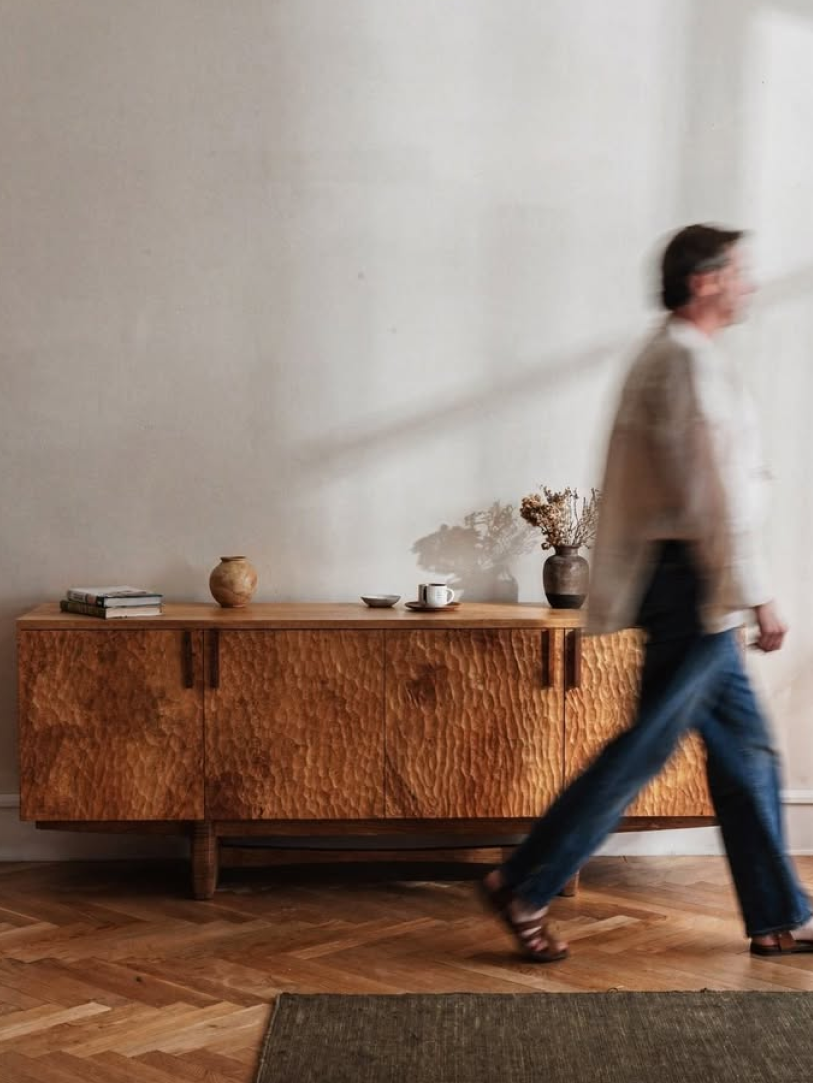
I’m attracted to hand-carved surfaces because furniture can sometimes feel visually flat. A carved section adds depth and detail without requiring the entire piece to become decorative.
What I particularly like is the contrast between that texture and an otherwise minimal piece. The texture becomes the focal point.
That realization tells me more about my taste than simply saying I like “minimalist furniture.”
Look for Repeating Characteristics, Not Repeating Products
After collecting references, look for qualities that keep appearing.
I noticed I was attracted to lighter woods like oak and warmer woods like cherry. Walnut, despite being popular, rarely appeals to me in the same way.
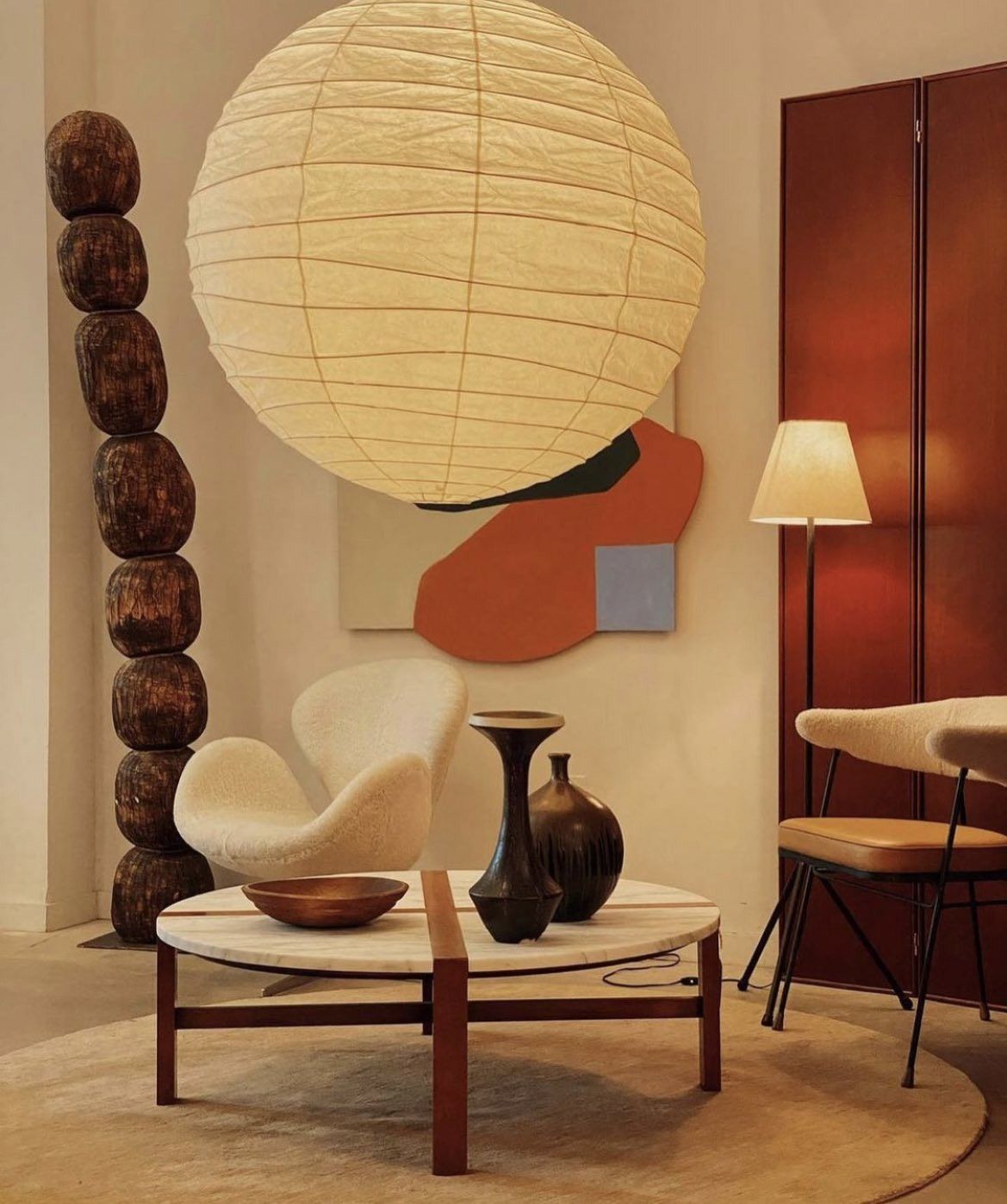
I also realized I like furniture that feels architectural. Simple forms. Strong proportions. Natural materials. Primitive shapes that still feel refined.
But I don’t particularly like ornate decoration. Highly sculpted Victorian furniture and decorative details added purely for ornament usually feel unnecessary to me.
You might discover that you don’t actually like “simple furniture.” Maybe you like simple furniture with one expressive detail. Or maybe you specifically like pale wood, visible grain, soft edges, and a natural finish.
The more precise you become, the easier it is to choose furniture without relying on a style label.
Study Architecture, Designers, and Objects Outside Furniture
Some of the biggest influences on my furniture taste aren’t strictly furniture designers.
Tadao Ando made me think about mass, proportion, and restraint. George Nakashima showed me a different relationship with wood, where the material itself can become part of the design. Frank Lloyd Wright made me think about furniture as part of architecture instead of an isolated object.
I’m also drawn to Isamu Noguchi’s sculptural work and the simplicity of Dieter Rams and Braun.
Those references don’t belong to one style. Personal style often appears at the intersection of several influences.
Use Magazines and Books to Escape the Algorithm
One of the best ways to develop your furniture style is to expose yourself to things you wouldn’t have searched for yourself.
Algorithms give you more of what you already like. Magazines work differently.
Look through contemporary magazines, but also older ones. You might find an Italian interior from the 1970s, a Japanese house from the 1980s, or a material combination you’d never think to search for.
Architecture books are useful for the same reason. Looking at buildings from different countries taught me new ways of thinking about how furniture interacts with a space.
If a style interests you, go down the rabbit hole. Learn why the objects were made that way and what problems the designers were solving.
Ask Whether You Like It or Just Recognize It
Social media creates familiarity incredibly quickly.
You might see a lamp on Instagram and think it’s perfect. Then you realize it appears in hundreds of interiors you’ve already seen.
I fall into this too.
The object doesn’t become bad because it’s popular. But sometimes part of the attraction came from seeing it repeatedly.
A useful test is: would I still want this if nobody ever saw my home?
A lot of interior design online is connected to broadcasting taste. The same recognizable objects appear repeatedly because they communicate a certain lifestyle or status.
But most interiors never get posted. What you see online is not necessarily how people actually live.
Another test is whether you like the design idea or only one specific object.
If you love a $5,000 Danish mid-century lamp, ask what exactly you like about it. The proportions? Warm light? Brass? Shape of the shade?
If you understand those characteristics, you can recognize them in other pieces. There are many answers to the same design problem.
Translate Your Furniture Style Into a Real Home
Once you understand what you like, you still have to make it work in an actual room.
Taste doesn’t override function.
Measure Before You Shop
Measure the room, doors, windows, circulation paths, and existing furniture before buying anything.
Painter’s tape on the floor is an easy way to test a piece’s footprint.
A beautiful chair that is completely wrong for the scale of your room is still the wrong chair.
The same applies to bedside furniture. I’ve written separately about how to choose the right bedside table, because height, width, and reach matter just as much as appearance.
Start With the Pieces That Control the Room
Large pieces influence everything around them.
Your sofa, bed, dining table, and major storage pieces establish scale and visual weight. Choose those before filling the room with smaller objects.
Mix Instead of Matching
I don’t think a room should look like you purchased an entire furniture collection in one afternoon.
A dominant visual language is useful, but pieces from another period, material, or influence keep the room from feeling like a showroom.
The contrast is often where personality appears.
Build the Room Slowly
Buy what you need first, then add lighting, art, and smaller objects over time. Living with a room teaches you what it needs.
Making Furniture Changed How I Understand Personal Style
Building furniture taught me something shopping alone couldn’t.
Style exists in decisions.
When you’re making something yourself, almost everything can change. You can alter the thickness of a component, make a chamfer slightly larger so a piece feels lighter, change the depth, add texture, or remove texture because there is already too much happening.
One small decision can change the proportion or visual weight of an object.
I see this constantly while designing handmade solid wood furniture. The material matters, but so do all the decisions around it.
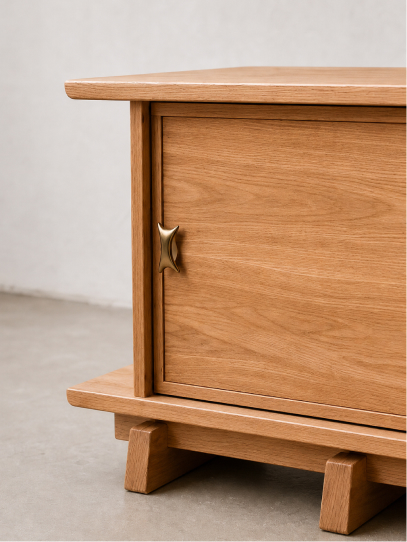
My Brezou nightstand, for example, is simple in overall form, but the proportions, visible joinery, oak body, cherry details, and carved handle are what give it character. None of those decisions alone define my style. Together, they start to.
If I only bought finished furniture without understanding how it was made, why certain proportions worked, or what could have changed, I don’t think I would understand my taste nearly as well.
You Don’t Have to Build Furniture to Develop Taste
You can still experiment with existing furniture.
Paint an IKEA cabinet. Change the handles. Refinish a table. Replace the legs. Add texture.
There are limits. You can change surface-level characteristics, but you can’t easily change the fundamental proportions or construction of an existing object.
Still, modifying furniture forces you to make decisions instead of simply consuming someone else’s.
And making decisions is how taste develops.
Your Furniture Style Is a System, Not a Label
Figuring out your furniture style doesn’t mean eventually announcing that you’re a Japandi person, a mid-century person, or a minimalist.
Your style is the collection of decisions you repeatedly make.
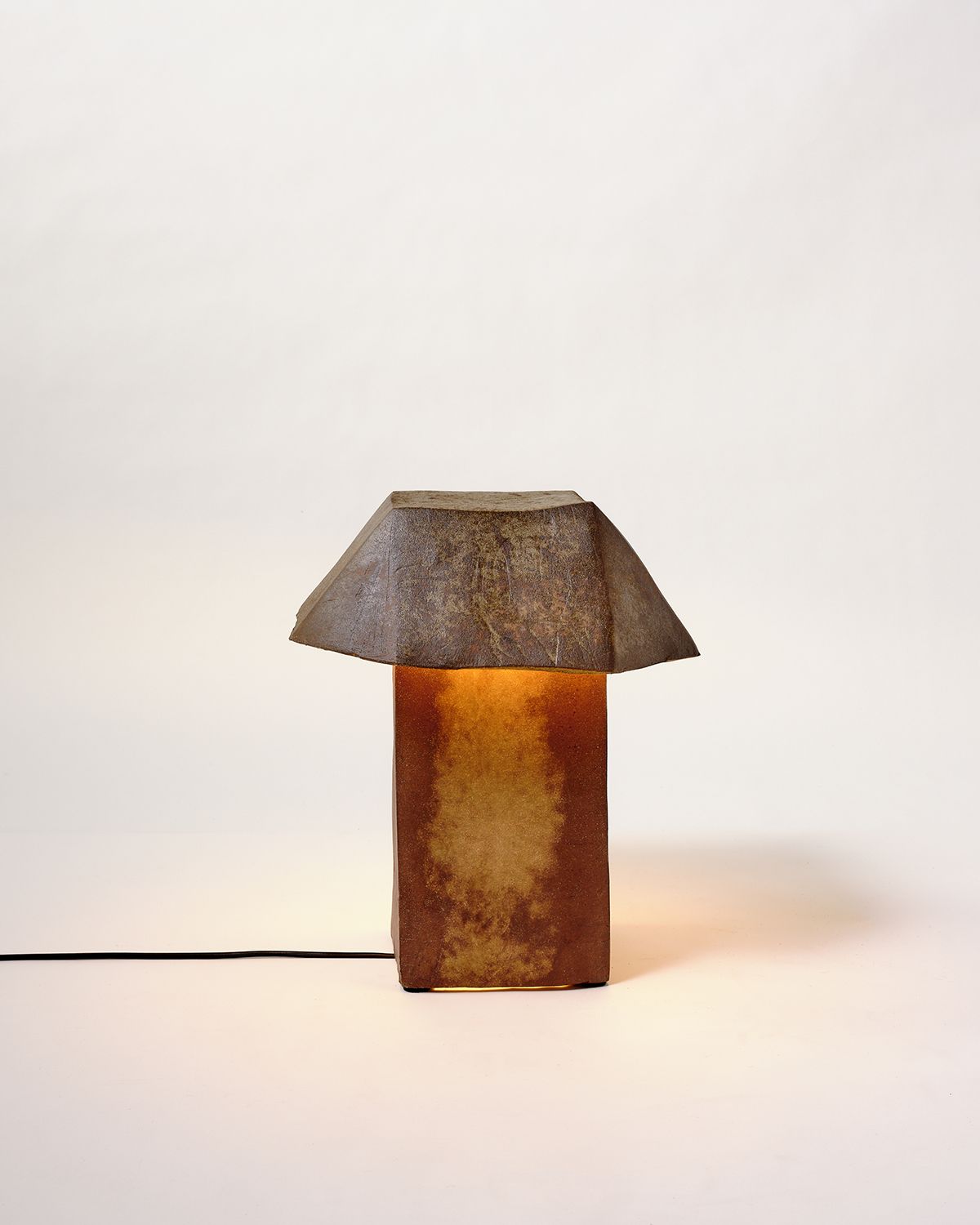
Maybe you prefer lighter wood. Maybe you like heavy architectural forms but delicate edges. Maybe you like primitive shapes with refined craftsmanship. Maybe you like simple furniture with one hand-carved surface.
Those combinations are more useful than a label because they give you a filter.
When you understand why you like something, you can walk into almost any furniture store, flea market, gallery, or antique shop and recognize what belongs in your world.
You stop asking, “What style is this?”
You start asking, “What exactly do I like about this?”
That’s usually where personal style begins.
