How to Choose the Right Bedside Table
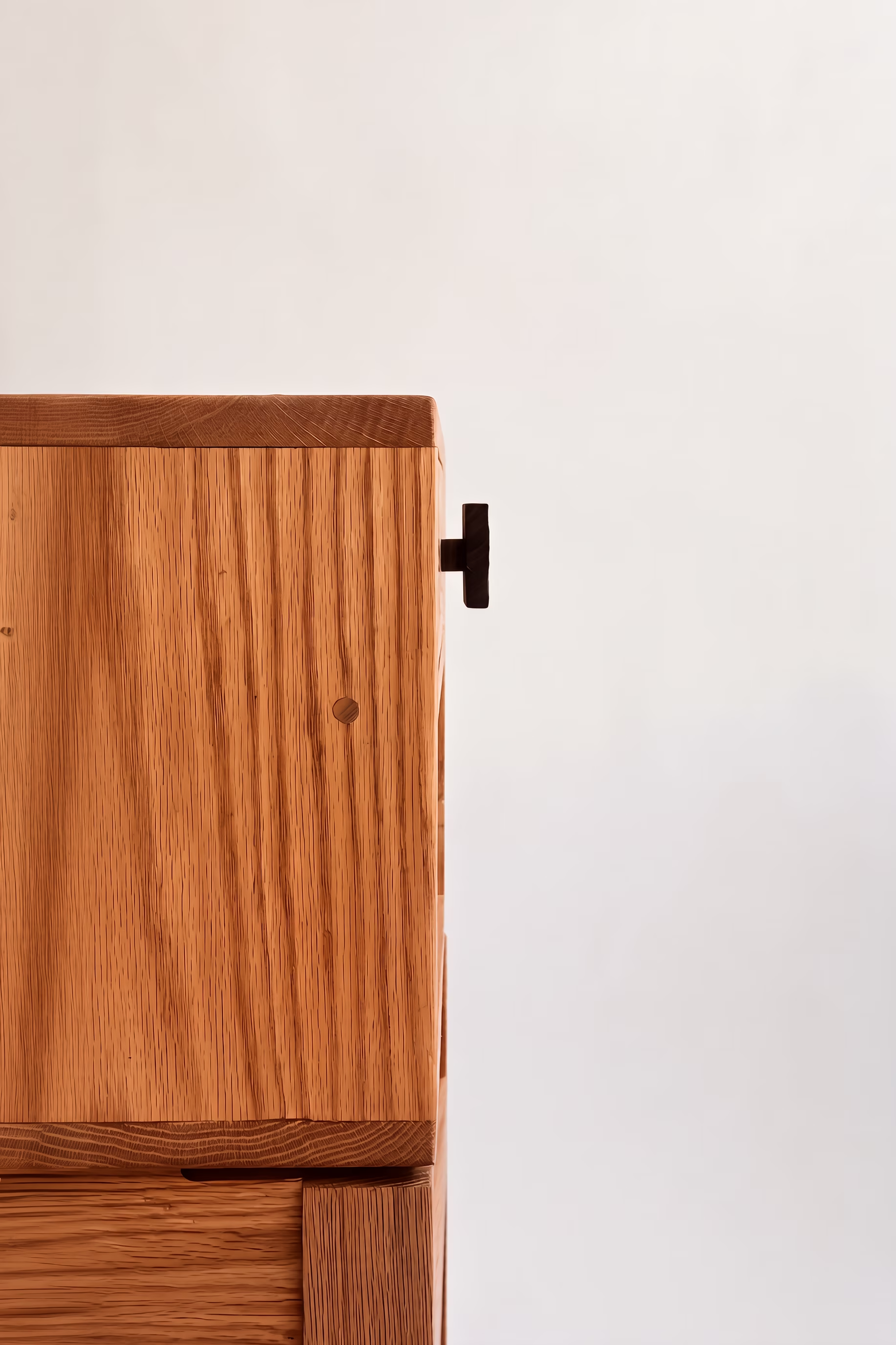
If you have a small bedroom, the best bedside table is not necessarily the smallest one you can find.
I think that is one of the biggest mistakes people make.
People often buy a bedside table because they like the style, then realize the proportions do not really work with their bed, frame, wall, or available space. In a small bedroom, those mistakes become much more noticeable because there is less furniture in the room. Every piece counts.
For me, the best bedside tables for small bedrooms are simple, properly proportioned pieces with useful storage, warm natural materials, and as little visual clutter as possible.
What Makes a Good Bedside Table for a Small Bedroom?
The first thing I look at is proportion. Your bedside table needs to relate to:
- The height of your mattress
- The space between your bed and the nearest wall
- The size and position of your bed frame
- The amount of storage you actually need
This matters in every bedroom, but especially in a small one.
If a table is too narrow, for example, and your bed sits slightly away from the wall, it can end up awkwardly behind you instead of beside you. Furniture that is too small can also create strange gaps around the room. Those gaps do not always make a room feel bigger. Sometimes they just make it feel visually unbalanced. A small bedroom benefits from furniture that feels intentional and properly fitted to the space.
The Best Bedside Table Styles for Small Bedrooms
A Compact Nightstand With Closed Storage
For most small bedrooms, this would be my first choice. Storage becomes extremely valuable when space is limited. Think about everything that tends to accumulate beside a bed:
- Your phone
- A book
- Earplugs
- Tissues
- Chargers
- Glasses
- Medication
- Other sleep accessories
If all of those objects live on top of a tiny stool, the room can start feeling cluttered very quickly. A drawer gives those objects a dedicated home. I would rather have a slightly larger nightstand with useful storage than an extremely small one that leaves everything exposed.
A Nightstand With a Drawer and Open Shelf
A combination of closed and open storage also works well. The drawer hides the less attractive everyday things, while the shelf gives you somewhere to put a book or object you actually want to see.
It can also make the piece feel visually lighter than a completely solid cabinet.The main thing is not to turn the shelf into another clutter zone.
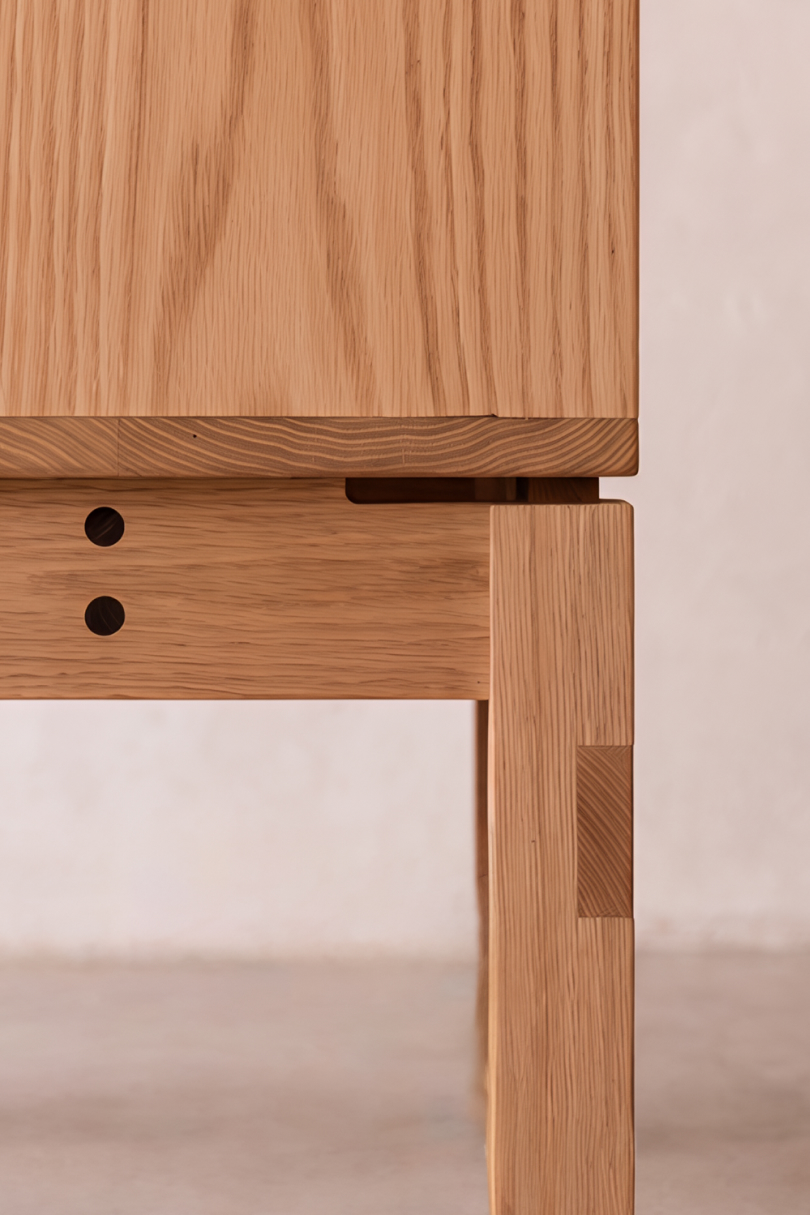
A Floating Nightstand
Floating nightstands are a great solution when floor space is extremely limited. Because the floor continues underneath, the room can feel more open and less crowded. The drawback is flexibility. Small bedrooms often get rearranged. You might rotate the bed, move it to another wall, or change the layout when you replace your bed frame.
A freestanding nightstand moves with the room. A floating one does not. I like floating nightstands when the layout is well established, but I would think twice if you regularly rearrange your space.
A Small Solid Wood Table
If you genuinely do not need much storage, a simple solid wood table can work beautifully. I would still avoid choosing something tiny just because the bedroom is small. The proportions need to feel right next to the bed. A properly sized table can give you enough room for a lamp, phone, glass of water, and book without adding much visual weight.
A Stool as a Bedside Table
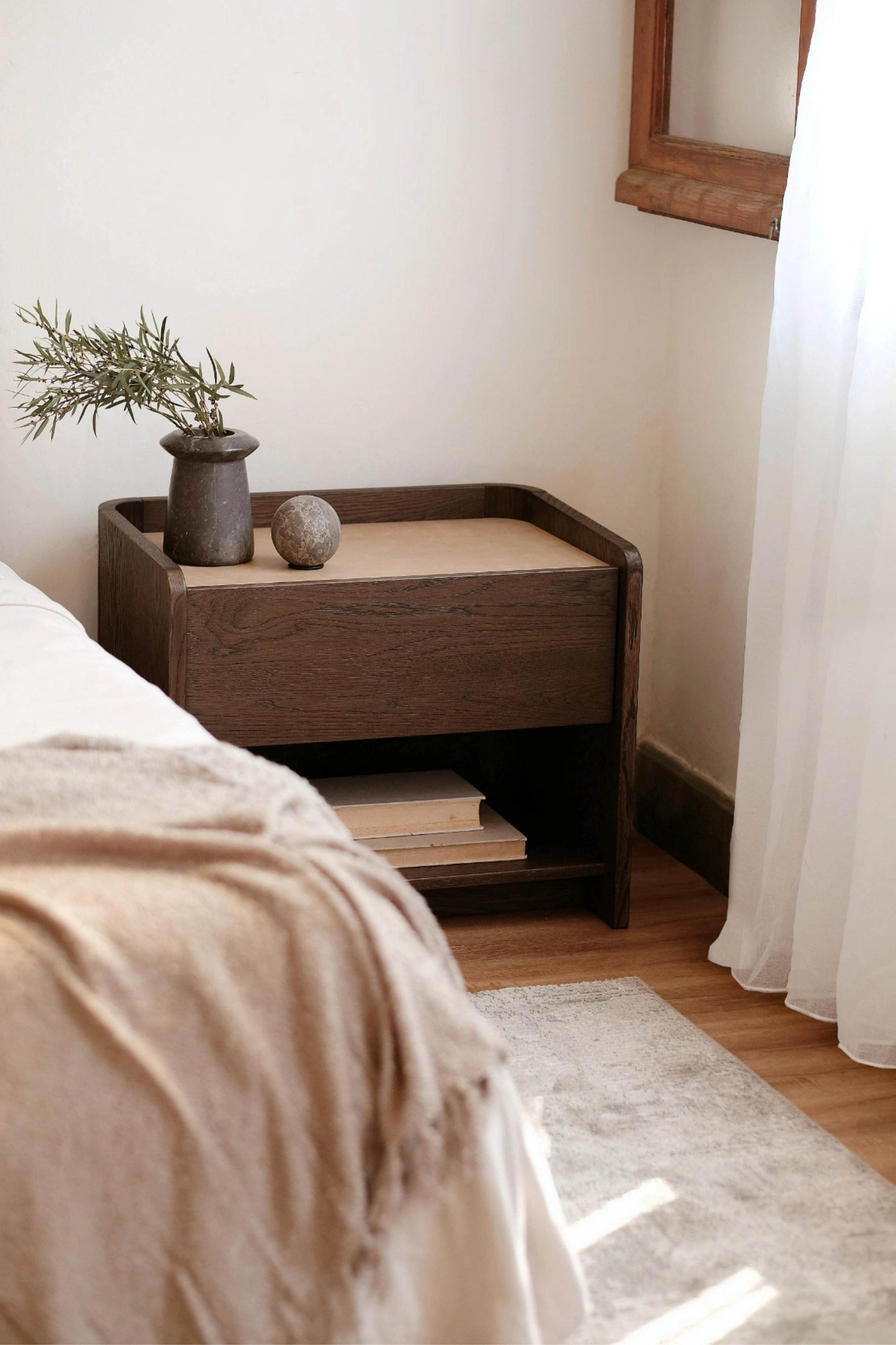
A stool can work when space is extremely tight and you need very little beside the bed. The problem is storage.
If the stool becomes covered with your phone, tissues, cables, and books, the space can quickly feel messy. Sometimes people assume a small room needs the smallest possible furniture. I think a better question is: how much furniture do I need to keep this room organized?
A slightly larger piece with storage can make a small bedroom feel calmer than a tiny piece covered in clutter.
Get the Height Right
Once I have filtered for materials I like, height is the most important functional measurement.
I designed one of my own nightstands at 24 inches height based specifically on the total height of the bed and mattress it would sit beside.
The top sits just slightly below the top of the mattress. There is a simple ergonomic reason for that. When you are lying in bed and reach over to put down your phone or book, it is easier for your arm to move slightly downward than upward. At night, maybe the light is already off. You should be able to extend your arm and naturally find the surface beside you. That small detail seems insignificant until you use the furniture every night.
If your bed is high and your bedside table is very low, you are constantly reaching down. If the table is too far away, you are stretching every time.
That gets annoying very quickly.
How Wide Should a Bedside Table Be?
There is no universal ideal width because bedrooms and bed frames vary too much. Measure the actual space between your bed and the nearest wall. Then look at where the mattress sits relative to the bed frame.
If your frame projects beyond the mattress, or the bed is positioned away from the wall, a very narrow nightstand may end up too far from your natural reach.
I would rather fill the available space reasonably well than leave an awkward gap simply because a smaller table sounded more appropriate for a small room. The bedside table should feel like it belongs to the bed.
Why Material Matters So Much in a Small Bedroom
I actually use material as my first filter when choosing furniture.
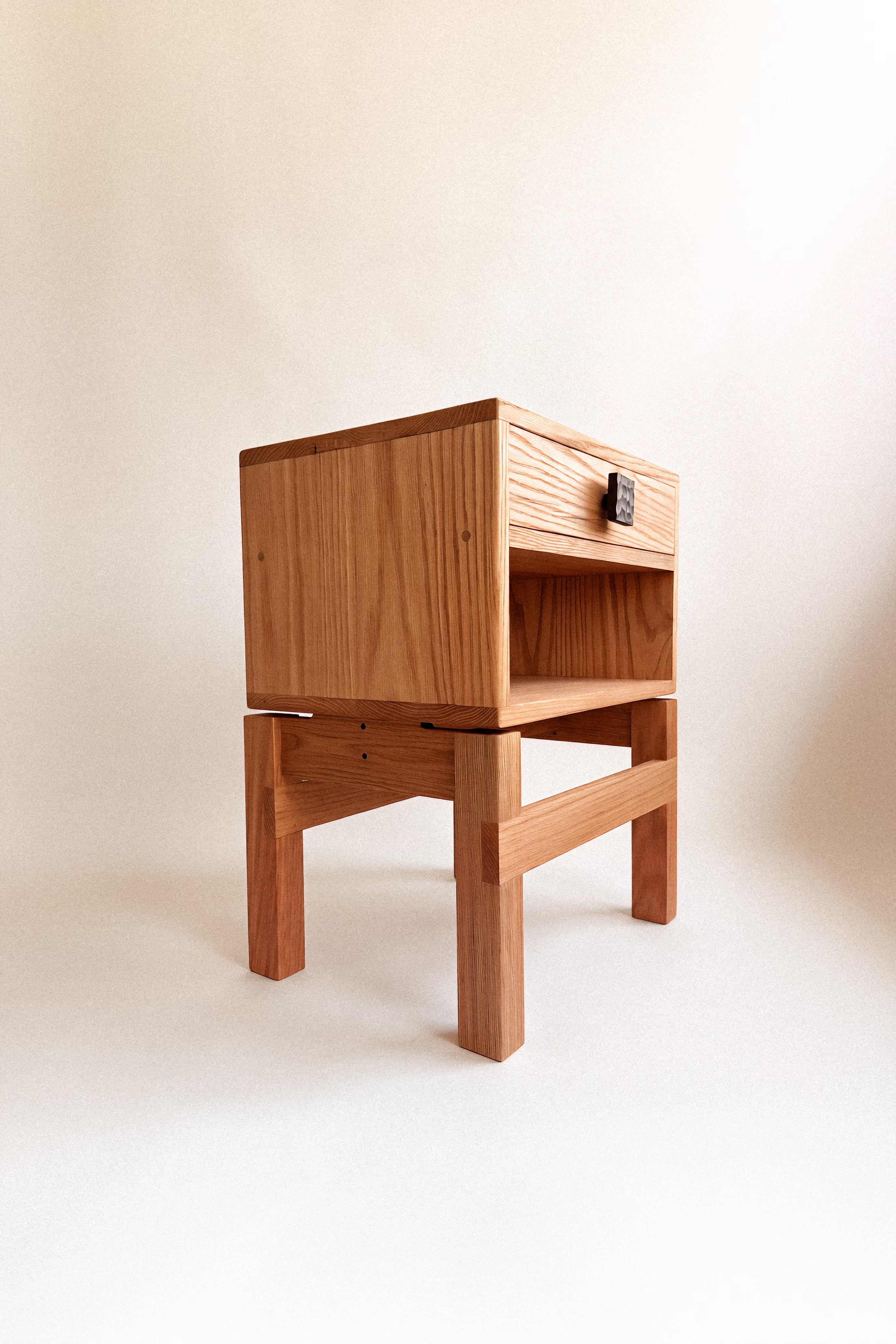
You can find a bedside table with perfect dimensions and good storage, but if you dislike the material or it makes the room feel cheap, it will not really work. A bedroom should feel comfortable and calming.
In a small bedroom, there may only be a bed, one or two nightstands, and a dresser. That means every material has a large influence on the atmosphere. That is why I tend to prefer solid wood. Natural materials bring warmth into a bedroom. You do not need a complicated design because the grain, texture, and variation of the wood already add character.
Walnut for Darker Bedrooms
Walnut works particularly well in darker or moodier rooms. Its deeper brown tones bring warmth without requiring much decoration.
Oak or Maple for Lighter Bedrooms
Oak and maple work beautifully in lighter interiors. They are especially suited to Scandinavian and Japandi-inspired bedrooms where you want the furniture to feel warm, natural, and visually quiet.
What I Would Prioritize
If I were choosing a bedside table for a small bedroom, my priorities would be:
- Material and overall quality
- Correct height
- Correct width and depth
- Useful storage
- Style
- Flexibility if the room layout changes
Material comes first for me because it acts as a filter.
There is no point buying something that technically fits if you think it looks fake or ugly in the room.
But function still matters just as much. A beautiful table that is uncomfortable to reach is still badly suited to your bedroom.
Common Mistakes to Avoid
Buying Based on Style Before Measuring
Understand the dimensions you need first, then shop within those constraints.
Going Too Small
Small rooms do not automatically require tiny furniture.
Sometimes furniture that is too small creates awkward empty spaces and makes the room feel less resolved.
Ignoring Storage
If your nightstand has no storage, think about where all of your everyday bedside objects will actually go.
Choosing the Wrong Height
You should be able to reach the table comfortably while lying in bed.
If you have to sit up, stretch, or reach dramatically downward every night, the proportions are wrong.
What Is the Best Bedside Table for a Small Bedroom?
It’s the same approach I take when designing my handmade furniture.
I would size it around the actual height of the mattress and the available space beside the bed rather than searching for an arbitrary "small nightstand."
If floor space is extremely limited and you know the room layout will stay the same, a floating nightstand is also a strong option.
More than anything, do not treat the bedside table as an afterthought. In a small bedroom, every piece matters.
Choose something that fits your bed properly, gives your everyday objects somewhere to live, and contributes to the atmosphere you want the room to have.
